27 October 2026
How Tree Removal Metairie Can Increase Property Value
Presented by @donovanpsgd680
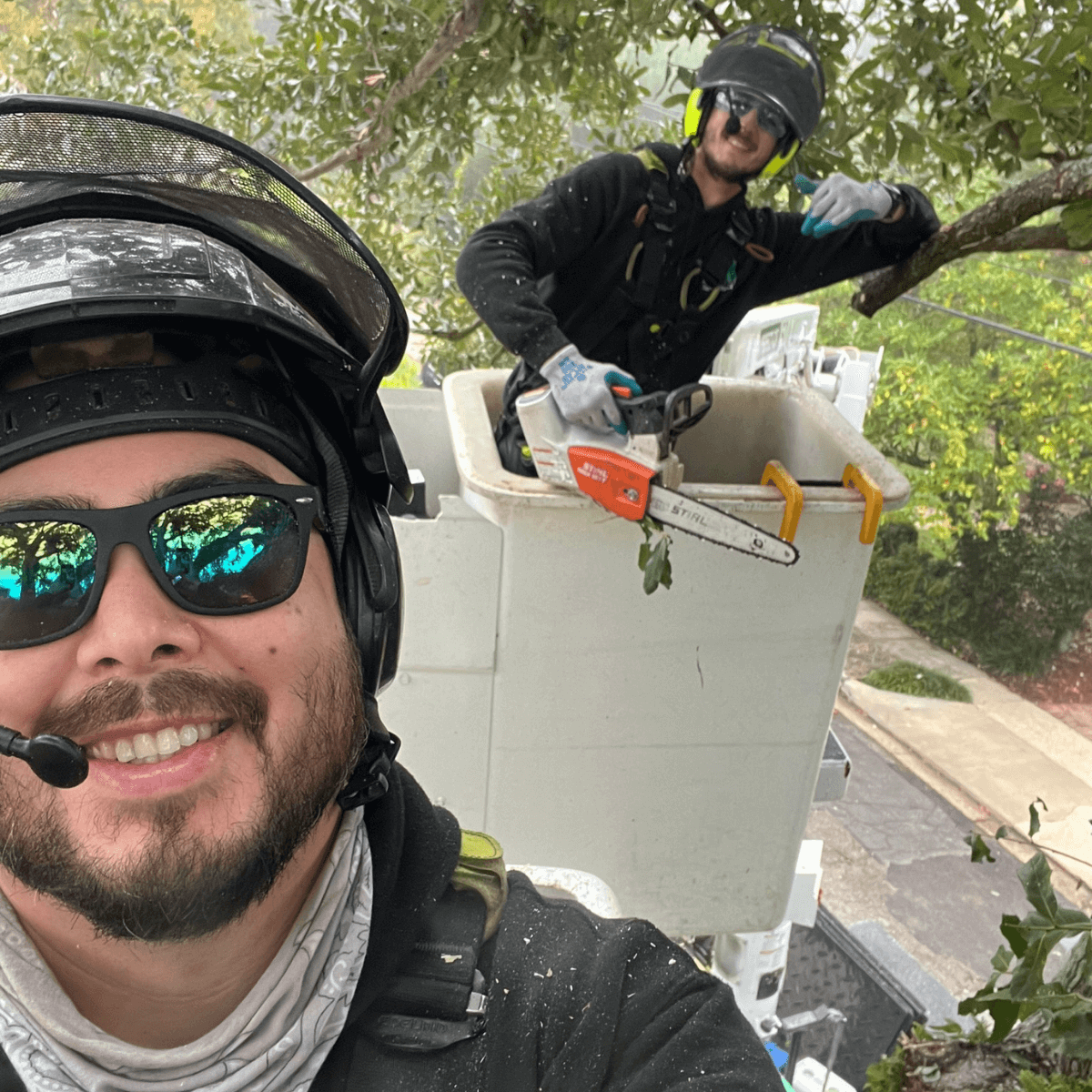


Property value is rarely shaped by one dramatic upgrade. More often, it rises or stalls because of dozens of visible and invisible factors working together. Roof condition matters. Drainage matters. Paint, grading, hardscaping, light, and maintenance all matter. Trees belong on that list, and in some cases, they belong near the top.
That surprises homeowners who have always been told that mature trees add value. Often, they do. A healthy live oak that frames a front yard and throws welcome shade over a patio can make a property feel established and gracious. But not every tree helps a home. Some crowd the roofline, crack walkways, darken interiors, weaken fences, clog gutters, threaten foundations, or signal deferred maintenance to buyers before they ever step inside.
In Metairie, where storms, heavy rain, humidity, and fast seasonal growth shape the landscape, tree decisions carry more weight than they do in milder regions. A neglected tree can become a visible liability. Removing the wrong tree can hurt curb appeal, but removing the right one can make the entire property feel larger, brighter, safer, and better maintained. That shift can influence appraisal judgment, buyer perception, insurance conversations, and the final sale price.
When homeowners ask whether tree removal metairie services are worth considering before a sale or renovation, the best answer is not automatic yes or automatic no. It depends on the species, placement, condition, and effect on the house. The goal is not simply to clear the yard. The goal is to improve the property’s function and appearance in a way that buyers and appraisers can recognize.
Why some trees lower value instead of adding it
A tree adds value when it looks intentional, healthy, and proportionate to the lot. It lowers value when it creates risk, maintenance headaches, or visual imbalance. Buyers may not know a lot about arboriculture, but they are quick to notice overhanging limbs, visible root upheaval, dead branches, or trunks growing too close to the house. Those signs send a message. If the exterior looks neglected, many buyers assume the same about plumbing, electrical, or HVAC.
That reaction is not just emotional. It is practical. A large limb touching the roof can scrape shingles in high wind. Dense canopy over the home traps moisture and shortens the life of roofing materials. Roots near driveways and sidewalks create trip hazards and expensive concrete repairs. In South Louisiana’s climate, a shaded and poorly ventilated side yard can stay damp for long stretches, encouraging mildew and moss. Buyers may not be able to quantify each issue, but they feel the burden immediately.
I have seen properties where one oversized, declining tree dominated every showing. People barely commented on the updated kitchen because they were fixated on the trunk leaning toward the house. The sellers had spent generously indoors, but the exterior told a different story. Once the tree was removed and the stump ground down, the house photographed better, the front elevation looked balanced, and the concern that had swallowed every conversation disappeared.
That is the real financial power of strategic tree removal. It removes objections.
The Metairie factor: climate, lot size, and storm exposure
Metairie has a mix of older neighborhoods with mature landscapes and tighter suburban lots where trees can quickly outgrow their space. That combination creates a specific set of challenges. Trees that might be manageable on an acre lot become a problem when they sit ten feet from a slab foundation, drape over power lines, or spread across a modest front yard.
Storm risk changes the calculation even more. Buyers in this market think about wind exposure, debris, insurance claims, and post-storm cleanup in a way buyers elsewhere may not. If a large tree appears compromised, whether from rot, poor structure, old storm damage, or aggressive lean, it can weigh on a sale. Even buyers who like mature landscaping may calculate future removal costs and use those costs to negotiate.
There is also the issue of drainage. Metairie homeowners already pay close attention to grading and water movement. Trees with invasive roots can alter drainage patterns, lift sections of paving, and make a yard harder to manage after heavy rainfall. In tree removal metairie neighborhoods where standing water is a recurring concern, anything that complicates runoff can become a demerit.
For that reason, tree removal metairie projects often have a stronger value component than homeowners expect. They are not just aesthetic decisions. They are risk-management decisions tied to local conditions.
Curb appeal changes faster than most owners expect
People tend to underestimate how much a crowded or overgrown lot shrinks the perceived value of a home. A tree does not need to be dead to hurt curb appeal. It can be structurally healthy and still make the property look dim, cramped, or hidden. When a front elevation disappears behind dense branches, buyers lose the first impression that helps anchor a strong asking price.
Removing a poorly placed tree can reveal architectural features that were barely visible before. Brickwork looks richer in natural light. Windows read as an asset rather than a maintenance concern. The entry path becomes clearer. The lot line feels more open. Even a modest ranch home can look wider and more polished after one dominant tree is removed and the surrounding landscape is cleaned up.
This matters online as much as it does in person. Listing photos are the first showing now. If the front of the house is obscured by low limbs or heavy shade, the home can appear smaller and less inviting on screen. That hurts click-through interest before a buyer ever visits. I have seen listing photos improve dramatically after tree removal and pruning simply because sunlight could finally reach the facade.
There is also a psychological effect. A bright exterior feels easier to maintain. Buyers connect open sightlines with safety, dryness, and better upkeep. Heavy overgrowth suggests hidden work.
Safety concerns can drag down offers
Nothing softens buyer enthusiasm like visible hazard. A cracked branch hanging over a driveway, roots lifting the walkway, or a trunk with a hollow base can turn a pleasant showing into a discussion about liability. Even if the tree has not caused damage yet, people imagine the worst. They picture a storm, a car under the limb, or an insurance deductible.
Appraisers and inspectors may not assign a line-item dollar deduction for every tree concern, but they can flag deferred maintenance or recommend further evaluation. Lenders and insurers can add another layer of caution. If a tree is too close to the roof or presents obvious structural concern, it may trigger repair requests or more aggressive negotiation. Sellers who handle the issue early usually keep more control over the process and the price.
The risk is especially relevant in older neighborhoods where large mature trees are common. Mature can be beautiful, but mature can also mean decades of storm stress, hidden decay, or root systems that no longer fit the built environment around them. Buyers increasingly prefer homes where the major exterior risks have already been addressed.
Better light, better use of space, better buyer response
One of the most overlooked benefits of removing the wrong tree is improved light. Exterior light affects the interior more than many people realize. If a dense canopy blocks windows all day, rooms can feel smaller and duller even after cosmetic upgrades. Once that canopy is thinned or removed, the change indoors can feel like a renovation.
Sunlight improves photography, open-house appeal, and day-to-day livability. It also helps with turf quality and landscaping below. A patchy, muddy front yard beneath a thick tree often rebounds after removal because grass and groundcover finally get enough light to establish. That small improvement can make the entire lot look more cared for.
Usable outdoor space is another value point. A backyard with a hazardous or oversized tree may have less functional area for entertaining, play, gardening, or a future patio. After removal, buyers can better imagine how they would use the space. In practical terms, they are no longer buying around an obstacle.
A common example in Metairie is the backyard tree that has grown too close to the fence and sheds constantly into a narrow drainage path. The owner may have adapted over the years, but buyers see ongoing cleanup and limited options. Remove that tree, restore the grade, and the yard becomes a blank slate rather than a problem to inherit.
When roots and foundations enter the conversation
Not every tree near a house damages the foundation. That claim gets overstated. But roots can absolutely create expensive issues with sidewalks, driveways, patios, retaining edges, and underground utilities. On slab homes, roots can also complicate moisture conditions around the structure by competing for water or redirecting drainage patterns.
The visible clues are usually enough to affect value even before a structural engineer gets involved. Buyers notice raised concrete, uneven pavers, separated edging, and root flare extending under hardscape. Those signs suggest future spending. They also make a property feel older and less stable.
Removing a tree that is actively undermining hardscape can protect value in two ways. First, it stops the problem from worsening. Second, it allows repairs to be done correctly rather than repeatedly patched. If a walkway has been ground down twice because the roots keep lifting it, eventual removal is often more economical than ongoing cosmetic fixes.
That said, judgment matters. If the tree is significant and healthy, and the damage is minor, preservation may still make sense. This is why blanket advice fails. The right call depends on the tree’s species, age, condition, and location, plus the value of the surrounding improvements.
Insurance and buyer confidence are not abstract issues
Homeowners do not always connect landscaping decisions to insurance, but buyers often do, especially after recent storm seasons. A visible tree hazard can raise concerns about underwriting, future premiums, or claims after purchase. Even if no formal issue arises, perceived insurability affects confidence.
Confidence matters in negotiation. Confident buyers make cleaner offers. Nervous buyers ask for credits, longer inspection periods, and specialist reviews. They may still want the house, but they price uncertainty into the deal.
A seller who invests in tree removal metairie work before listing is often doing more than tidying the yard. That seller is reducing uncertainty. A home that looks open, dry, and safe gives fewer reasons for a buyer to hesitate.
Not every removal increases value
There is a mistake on the other side too. Some owners overcorrect and clear too much. Stripping a lot of all mature trees can make a property feel stark, hot, and less established. In a place like Metairie, where summer heat is relentless, shade in the right places has real lifestyle and energy value.
The highest return usually comes from selective removal, not wholesale removal. A dead pine leaning toward the roof, a diseased water oak too close to the slab, or a sweetgum creating constant hardscape issues may be obvious candidates. A healthy canopy tree that frames the yard and shades the west side of the house may be worth keeping and professionally pruning instead.
That distinction matters because buyers do notice when a yard feels bare. Mature trees create scale and neighborhood character. They soften architecture and make outdoor spaces usable in warm months. If removal leaves the home exposed without a landscape plan to restore balance, the gain from risk reduction can be partly offset by a weaker overall impression.
The best properties strike a middle ground. They keep the trees that add beauty and utility, and they remove the ones that introduce cost, danger, or clutter.
Cases where removal tends to pay off
Some scenarios repeatedly lead to positive value outcomes. These are the ones where buyers, inspectors, and appraisers tend to agree that the tree was a problem rather than an asset.
- Dead, dying, or storm-damaged trees in visible areas
- Trees with trunks or major limbs too close to the roofline
- Trees causing walkway, driveway, or drainage disruption
- Overgrown front-yard trees that hide the facade and darken the house
- Trees with obvious lean, rot, or branch failure risk
None of those guarantees a higher appraisal dollar for dollar, tree removal metairie but they often improve marketability, shorten negotiation, and support a stronger asking position.
Timing matters more than people think
If the goal is resale, removal should happen well before photos and showings if possible. Freshly cut stumps, churned soil, and debris piles do not help curb appeal. A rushed removal two days before listing can solve one problem while creating another visual distraction. Buyers may focus on the scarred yard rather than the benefit of the work.
The best timing allows for cleanup, stump grinding if appropriate, soil settling, and at least a basic landscape refresh. That could mean sod, mulch, a reshaped bed, or simple regrading and seed depending on the season and the site. The point is to make the removal look intentional and complete.
There is also strategic value in handling removal before storm season or before a major renovation. If roof work, painting, or drainage improvements are planned, removing the problematic tree first can prevent damage to the new work and make contractors’ access easier.
What buyers tend to notice right away
Most buyers will not articulate their reaction in technical terms, but they respond quickly to a few signals. They notice whether the house is easy to see from the street. They notice whether the roofline looks crowded. They notice whether the yard feels bright or gloomy. They notice cracked pavement and the amount of leaf litter in corners and gutters. They notice whether outdoor spaces seem usable.
A property with balanced landscaping gives off a sense of order. A property dominated by one ill-placed tree often feels harder to own. That difference matters because residential value is emotional before it is numerical. Buyers decide what a house feels like first, then justify the number.
The removal itself should be professional
A sloppy removal can erase the benefit of making the right decision. Torn lawn, rutted access paths, damaged fences, and incomplete cleanup leave the property looking worse than before. Professional crews plan drop zones, protect surfaces where they can, and think about how the site will present afterward.
Homeowners should also consider whether permits, utility coordination, or neighborhood restrictions apply. Those details vary, and they matter. Cutting corners can create problems at exactly the moment a seller wants fewer complications, not more.
When the work is done well, the result should feel clean and unsurprising. The house comes forward. The lot reads better. The eye is no longer pulled toward a hazard or a mass of overgrowth.
A smart way to evaluate your own property
If you are trying to decide whether a tree is helping or hurting value, step outside with a practical lens rather than an emotional one. Ask what a buyer sees in the first ten seconds, and ask what an inspector might note in the first ten minutes. If the tree disappeared tomorrow, would the house look exposed and diminished, or would it look cleaner, safer, and more expensive?
A useful evaluation often includes these questions:
- Is the tree healthy, well-shaped, and clearly suited to its location?
- Does it improve shade and beauty without crowding the structure?
- Has it caused visible damage to roofing, paving, fencing, or drainage?
- Would removal open the facade, brighten the interior, or expand usable yard space?
- Can pruning solve the issue, or is the tree itself the problem?
That kind of honest assessment usually leads to a better decision than defaulting to preservation or defaulting to removal.
The return is often indirect, but still real
Homeowners sometimes look for a simple equation, spend a certain amount on removal, gain a larger amount in appraised value. Real estate rarely works that cleanly. The return from removing a problematic tree is often indirect. It may show up as stronger photos, more buyer traffic, fewer inspection objections, lower perceived risk, better hardscape longevity, or less aggressive negotiation.
Those indirect gains are still valuable. A house that sells faster and with fewer credits often outperforms a house that sat on the market while buyers discounted visible exterior concerns. The tree removal may not be the only reason, but it can be part of the chain of decisions that protects price.
In Metairie, that chain matters because exterior condition carries unusual weight. Buyers understand the climate. They understand storms. They understand maintenance. A yard that looks disciplined and low-risk earns trust faster than one that looks unmanaged.
For many properties, the right tree is an asset. For others, the right decision is removal. Knowing the difference is where value is created. When tree removal metairie work is selective, well-timed, and paired with thoughtful cleanup, it can transform not just the landscape but the market perception of the entire home.
A Perfect Cut Tree Service
4725 Shores Dr, Metairie, LA 70006
+1 504-732-0779
FAQ About tree removal metairie
What is the average cost of tree removal in my area?
There is no single price that fits every tree. Size, condition, access, nearby structures, equipment, debris hauling and stump work affect the estimate. Request a written, site-specific quote that identifies what is included.
Who will remove trees for free?
Free removal is not generally available for ordinary private-property tree work. Utilities or public agencies may handle trees within their responsibilities. Confirm eligibility directly and do not assume that an offer or assistance program covers your tree.
Can I just cut down a tree in my yard?
Check ownership, location and local requirements first. Jefferson Parish requires a permit for removal of qualifying vegetation in the public right-of-way, and additional protections may apply in designated areas. Ask the parish about your property and have a qualified tree professional assess the work.